
Why Rebranding Was About Alignment, Not a Logo
Rebrands are often misunderstood.
From the outside, they can look like a new logo, a fresh website, maybe a press release or two. From the inside, the ones that actually work are something very different. They’re organizational change initiatives. And they only succeed when teams move together.
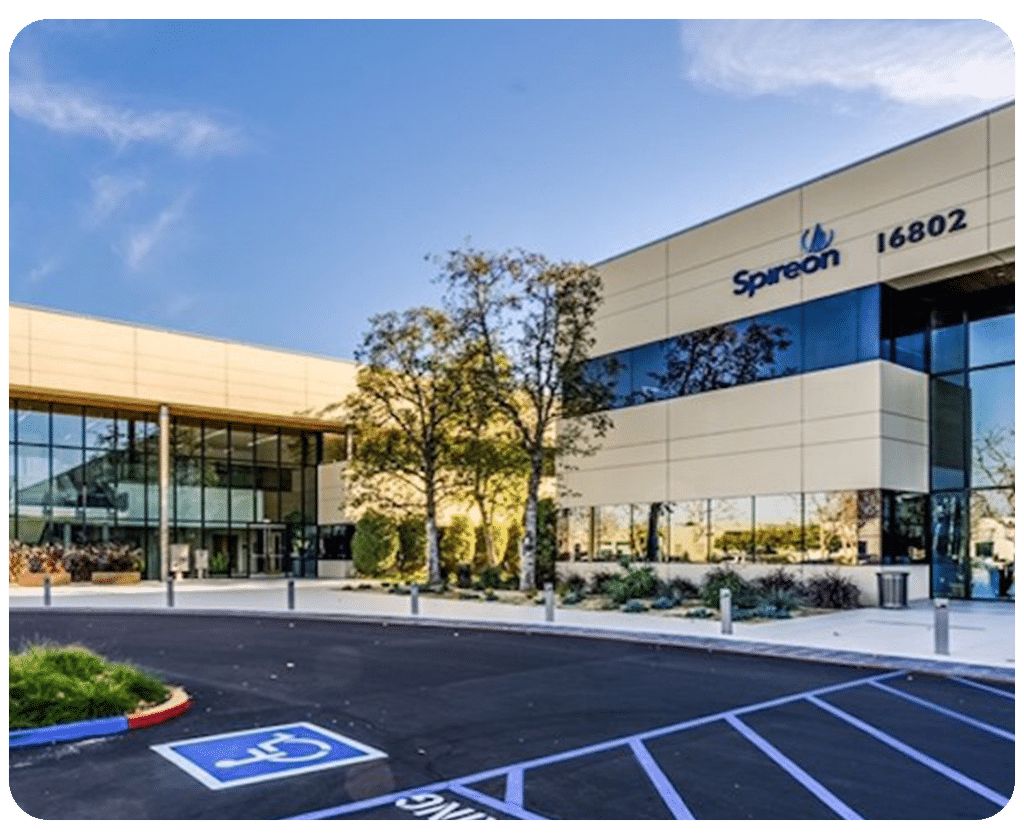
When we made the decision to transition from Procon GPS to Spireon, the goal wasn’t cosmetic. It was strategic.
The Problem: A House of Brands That Diluted Value
Due to an aggressive acquisition strategy, the company’s value proposition became diluted and confusing to customers. At the time, it operated as a house of brands — multiple product names, identities, and stories competing in the same market space.
While each solution offered distinct strengths, the overall structure created significant challenges:
-
Customers were unsure what the company stood for
-
Sales teams struggled to tell a unified story
-
Analysts and partners saw fragmentation instead of scale
-
Marketing efforts were stretched thin across disconnected narratives
The result? A strong company, but one whose market perception didn’t match its true momentum, reach, or leadership potential.
The Shift: Moving to a Branded House
Partnering closely with our CMO, executive leadership team, and cross-functional leaders, we aligned on a clear decision: move from a house of brands to a branded house — one master brand that unified the organization, its offerings, and its vision.
This wasn’t a marketing-only decision. It required buy-in and coordination across product, sales, customer success, engineering, finance, operations, legal and HR.
Everyone had a stake in how the brand showed up — internally and externally.
More Than a Name Change
The transition to Spireon was not about swapping logos. It was about redefining who we were in the market and how we operated as a company.
That work included:
-
New market positioning that clearly articulated our role in IoT and MRM intelligence
-
Unified messaging and value propositions across all business units
-
Internal communications and enablement, so teams understood the “why” and could confidently tell the story
-
Customer communications, ensuring continuity, trust, and clarity during the transition
-
A completely new website that reflected the full portfolio and customer journey
-
PR and analyst briefings, resetting the narrative with industry influencers
-
Sales and partner alignment, so the brand showed up consistently in every conversation
The rebrand became a forcing function for alignment. It surfaced gaps, clarified priorities, and created shared ownership across teams that previously operated more independently.
Cross-Functional Alignment Was the Real Work
The hardest — and most important — part wasn’t creative execution. It was alignment.
We spent significant time listening to teams, pressure-testing assumptions, and making sure the brand strategy supported real business needs. That meant balancing:
-
Enterprise credibility with SMB accessibility
-
Innovation with operational clarity
-
Growth ambitions with customer trust
Because when a brand strategy doesn’t reflect how the business actually works, the market feels it immediately.
The Results
The impact of the transition validated the approach:
-
Maintained market leadership in our largest, most established business unit
-
Emerged as a top-three service provider in the SMB space, competing successfully against much larger players
-
Became the fastest-growing enterprise transportation solution provider in the market
-
Scaled to 2.4 million subscribers
-
Helped support growth to $150M in revenue
Most importantly, Spireon became a brand that customers, partners, analysts, and employees could clearly understand — and rally behind.
What I Took Away
The biggest lesson from the Procon-to-Spireon journey is this:
Strong brands are built through alignment, not aesthetics.
A successful rebrand is a leadership exercise. It requires trust, transparency, and cross-functional collaboration. When done well, it doesn’t just change how the market sees you — it changes how the organization operates.
And that’s where real, lasting value comes from.